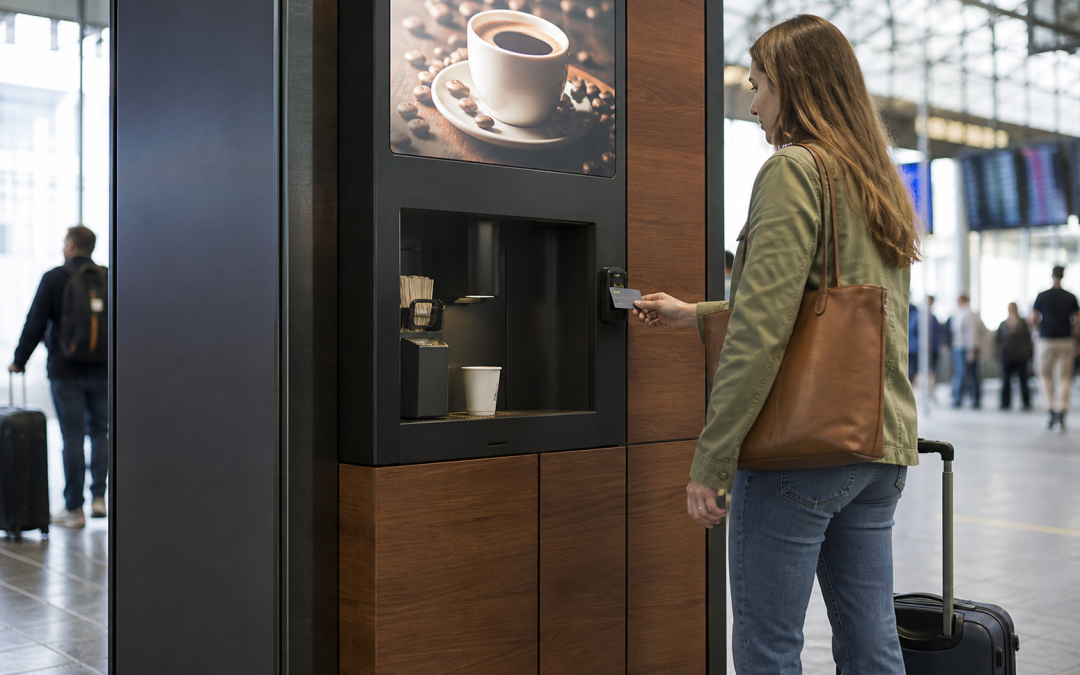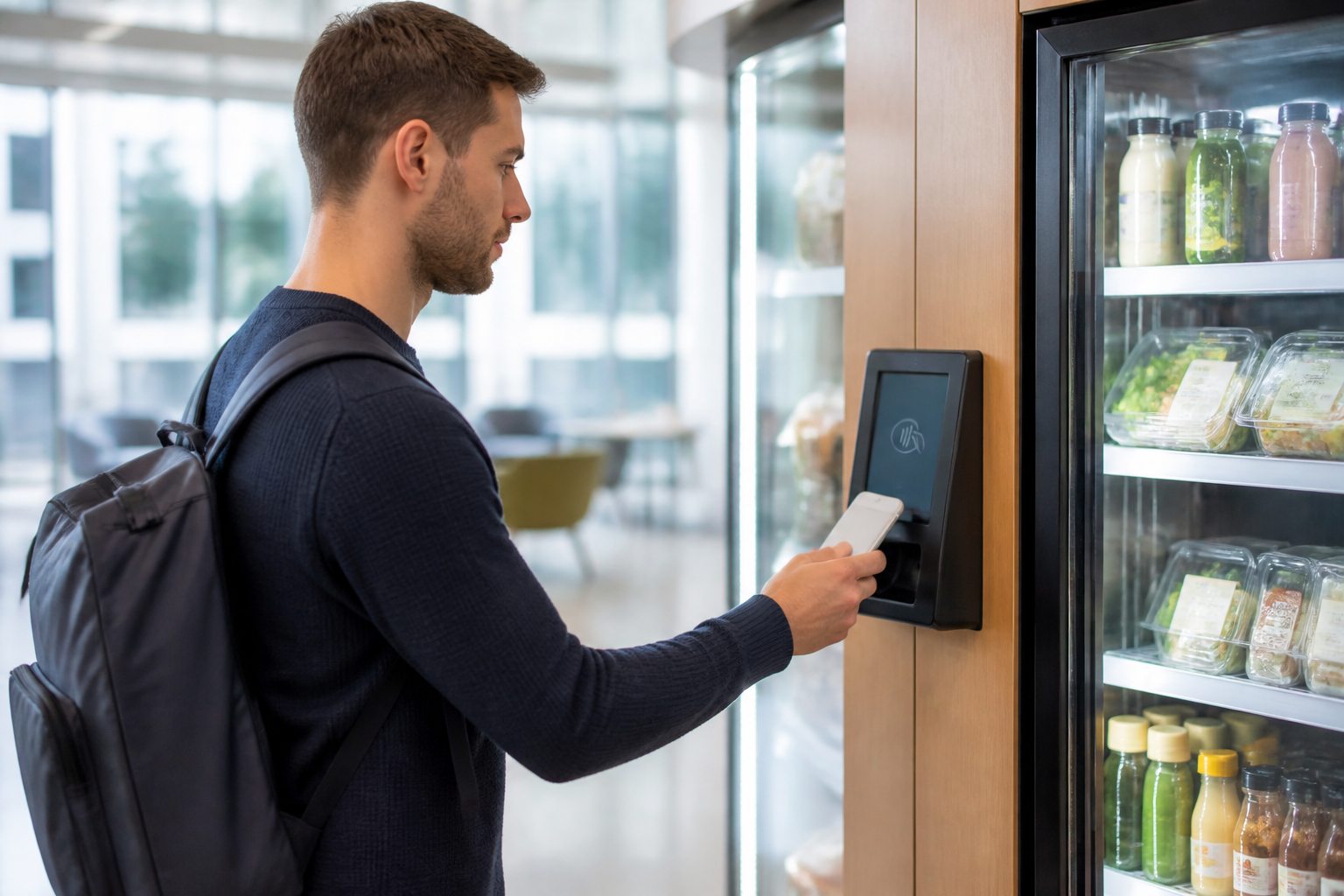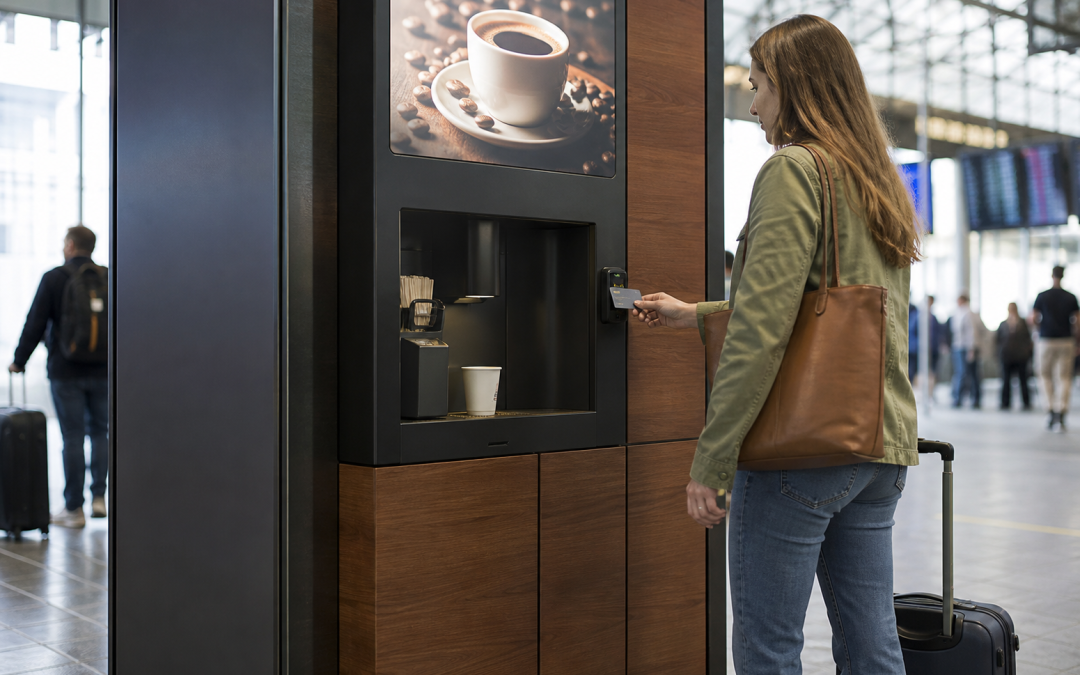
Unattended payments UK businesses consider are not simply a card terminal bolted to a machine. They are a customer journey without a member of staff beside it. The customer needs to understand what is being sold, what the machine is doing, what to do if a payment or product fails, and how to get help. The owner needs a reliable way to check stock, payment records, faults and the location’s commercial performance.
That means an unattended setup should be designed around the exception, not just the successful tap. This guide helps a vending, self-service coffee, fridge, kiosk or unattended-retail operator assess the practical questions before they put payments in front of customers. It does not quote rates, device costs or contract terms. Those must be structured around the individual business and the combination of services it takes.
Contents
- What the machine must do
- Customer clarity
- The operator’s routine
- Security and data
- A test before go-live
- Questions owners ask
Unattended payments UK: start with the customer’s real task
First define the moment. Is someone buying a coffee in a station, a snack in an office, a product from a locker, or a service from a kiosk? Do they know the price before they begin? Is the item immediately available? Can they see the payment point without searching? Is there a simple acknowledgement when the transaction is complete? Each answer shapes the right machine, payment route and support process.
Unattended payments UK setups work best when the physical journey is short and consistent. Put the item, price information, payment point and collection point in a logical order. Avoid asking a customer to guess whether a failed interaction was a payment failure, an out-of-stock item or a machine fault. The Government’s consumer-protection guidance is a sensible reminder that customers need clear information and a fair route when something goes wrong.
Make payment simple, but make help visible
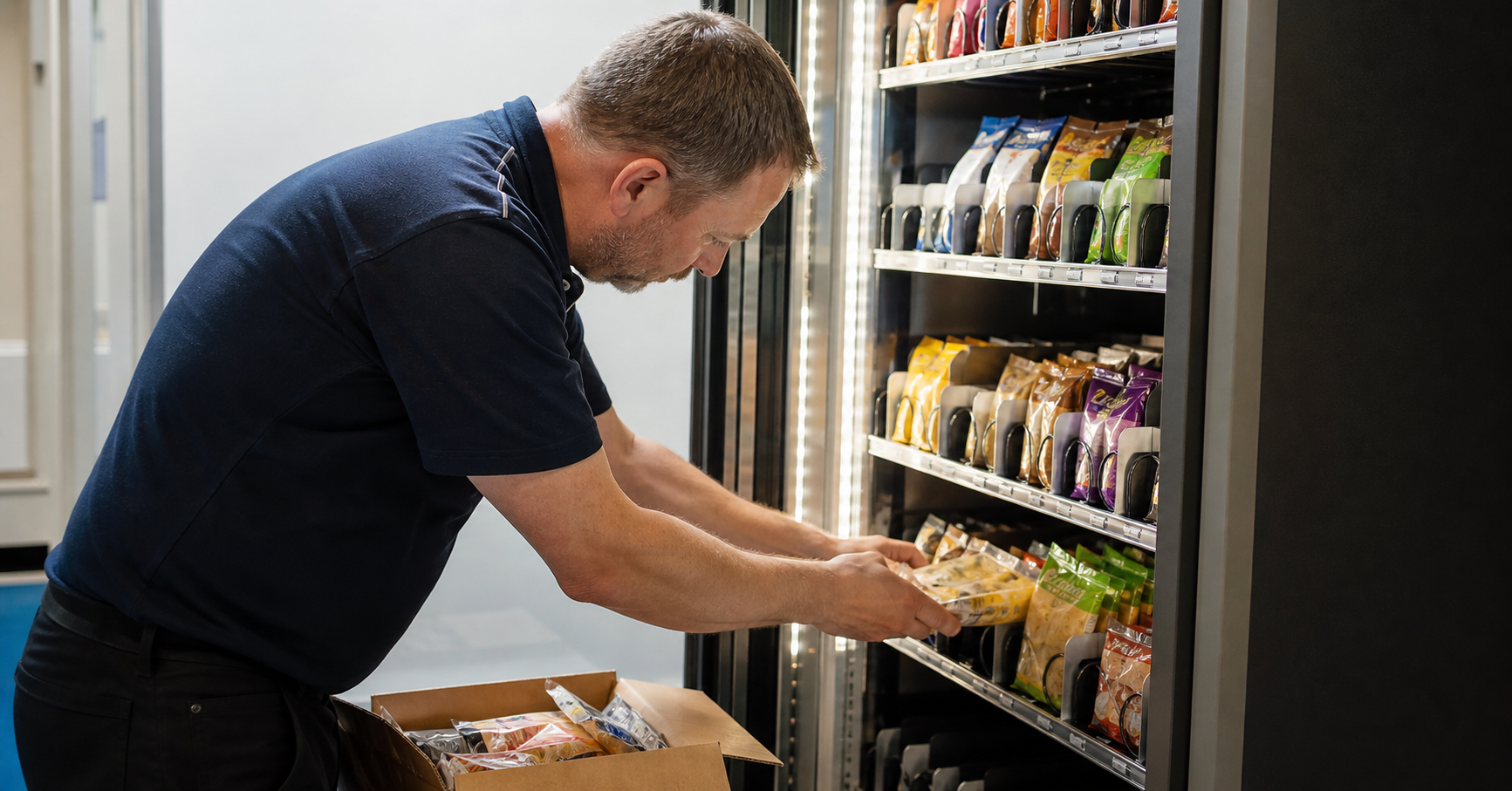
A good unattended payment journey does not hide the difficult cases. Add a clear non-emergency contact route for product, payment and refund queries. Explain where a customer can find the machine or location reference needed by the operator. Keep the wording short and visible. It should not promise an instant answer if the business cannot provide one.
For a machine in a shared building, agree responsibilities with the location owner before launch. Who cleans it? Who checks stock? Who receives a customer complaint? Who is contacted if a machine is damaged or becomes unavailable? The Government’s business guidance is not a vending manual, but it reinforces the value of clearly owned routines rather than informal assumptions.
Choose the right information to monitor
Unattended payments UK businesses do not need to watch every event in real time. They do need a small set of useful checks: successful and unsuccessful payment attempts, product availability, repeated machine errors, refunds or complaints, and the difference between expected stock and what was actually sold. If something repeats, record the time, location and machine state before changing the process.
The point is not to blame the payment system immediately. A failed sale may come from product availability, a machine mechanism, connectivity, confusing instructions or a cardholder stopping part-way through. Start with evidence. The PCI Security Standards Council merchant guidance is useful background for payment-security responsibilities, while your daily operational record should explain the actual customer experience around the transaction.
The work behind an unattended machine
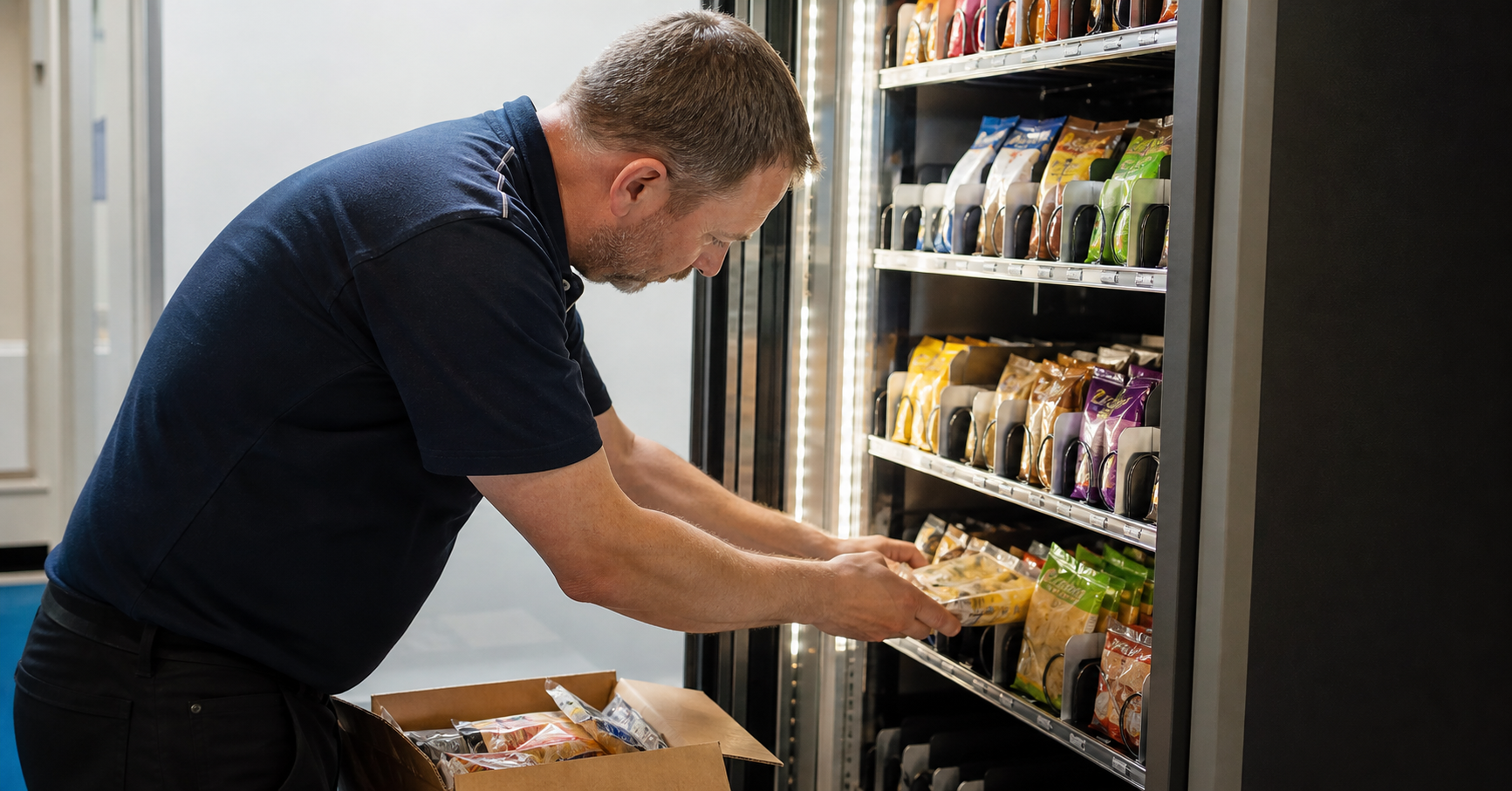
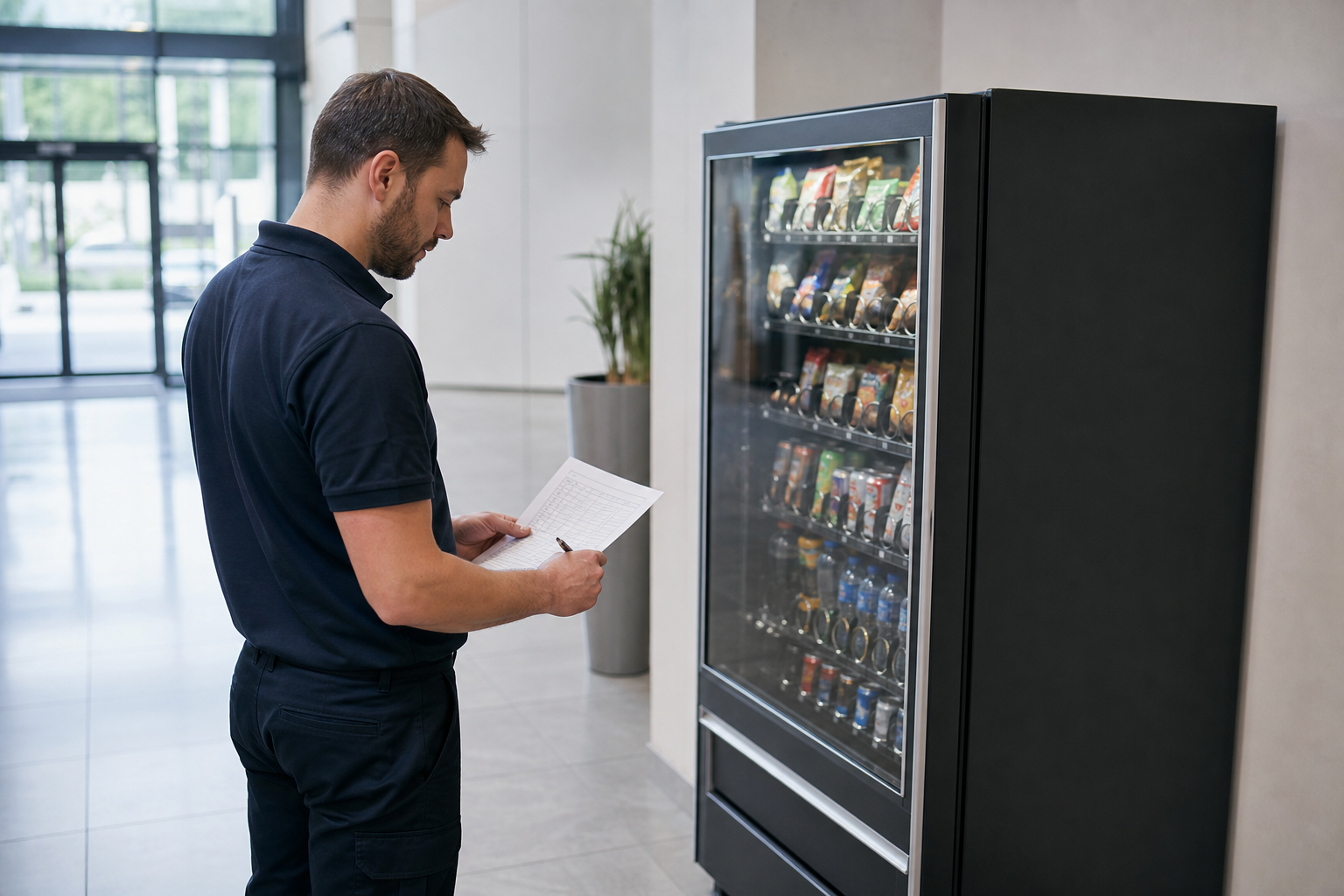
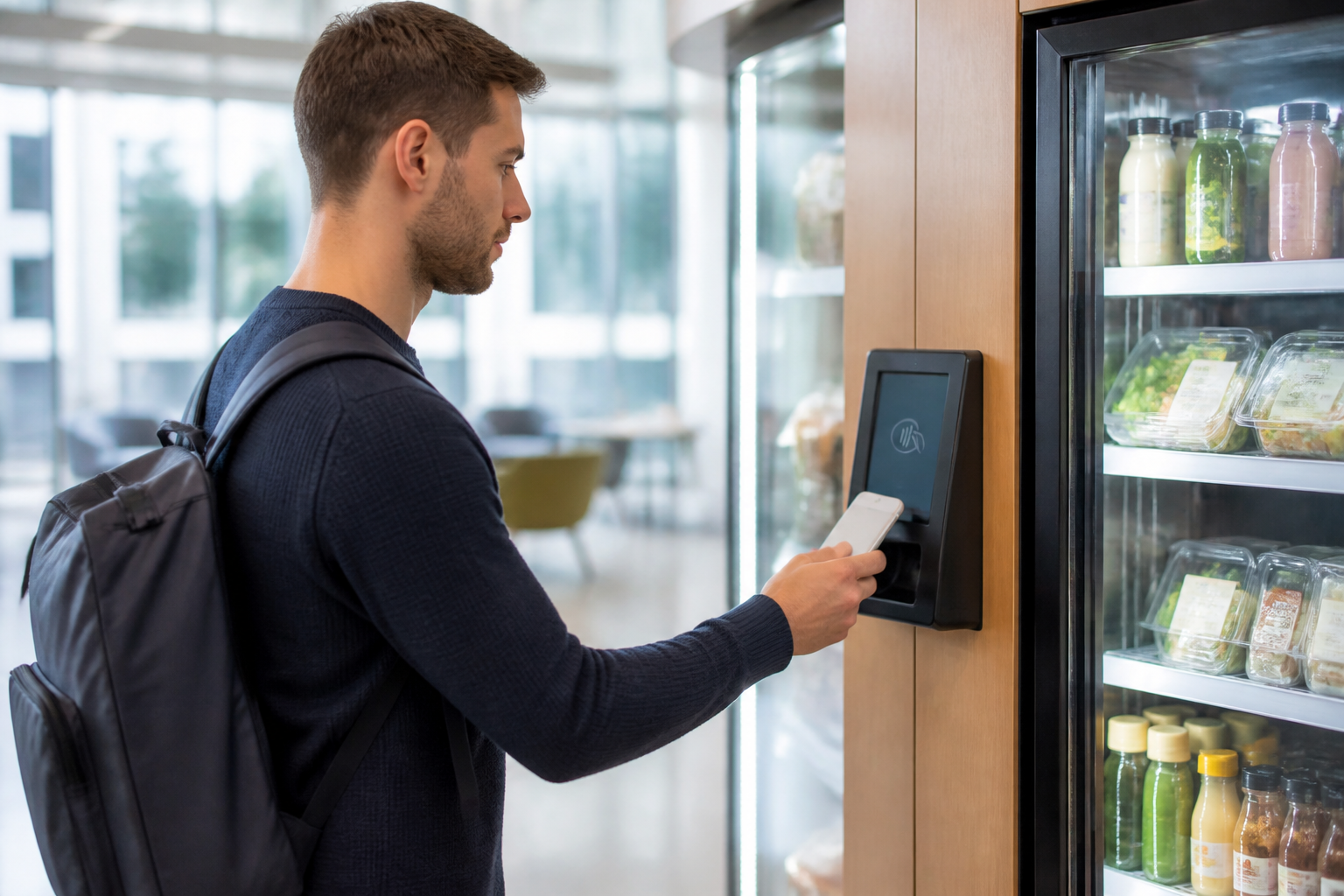
“Unattended” does not mean unmanaged. Someone needs to own stock, cleaning, product rotation, location checks, faults and customer contact. Write the route before the machine goes live. The task list may be small, but it should be real: what gets checked on each visit, what evidence is recorded, when an item is removed, when a technician is called and who communicates with the building or customer.
This is where a simple weekly report becomes valuable. A location with lower sales may have less footfall, but it may also have stock gaps, a payment problem or poor visibility. Match the sales record to a physical check. Our guide to what an EPOS system is shows why a clear transaction record matters even when no staff member completes the sale.
Keep the payment and stock records connected
Where possible, make it easy to compare what the machine believes it sold with what the operator found on site. This helps identify a recurring product issue or a machine route that is confusing customers. Our point-of-sale service can help businesses map the selling process and payment record around a counter, kiosk or self-service point. The right setup depends on the real location and process, so we build the package around the business.
Security, privacy and access
An unattended payment point needs sensible access control. Decide who can open the machine, who can view sales or refunds, who can change product data and how former contractor access is removed. Use individual accounts where available and do not share passwords in a notebook or group chat. The NCSC small-business guide covers practical steps such as strong passwords, updates and backup planning.
If the process collects customer details for a receipt, support request or refund, collect only what is needed and make the handling clear. The ICO’s UK GDPR guidance is the appropriate starting point for the wider data protection responsibility. Do not turn a support form into a reason to gather extra personal data.
Run a proper unattended test before public use
Test the path with people who did not help design it. Ask them to buy an item, find the payment point, understand what happened after a tap, identify where they would get help and explain what they would do if the item did not appear. Do not coach them. Watch where they hesitate.
Then test the operational side: a stock-out, an interrupted payment, a connectivity issue, a product not dispensed, a refund request and a fault at a location outside normal staffing hours. Decide what the customer sees, what the operator receives and who is responsible. The FCA’s payment-services information provides wider regulatory context; it does not remove the business’s need for a clear customer support route.
How First Essential UK can help
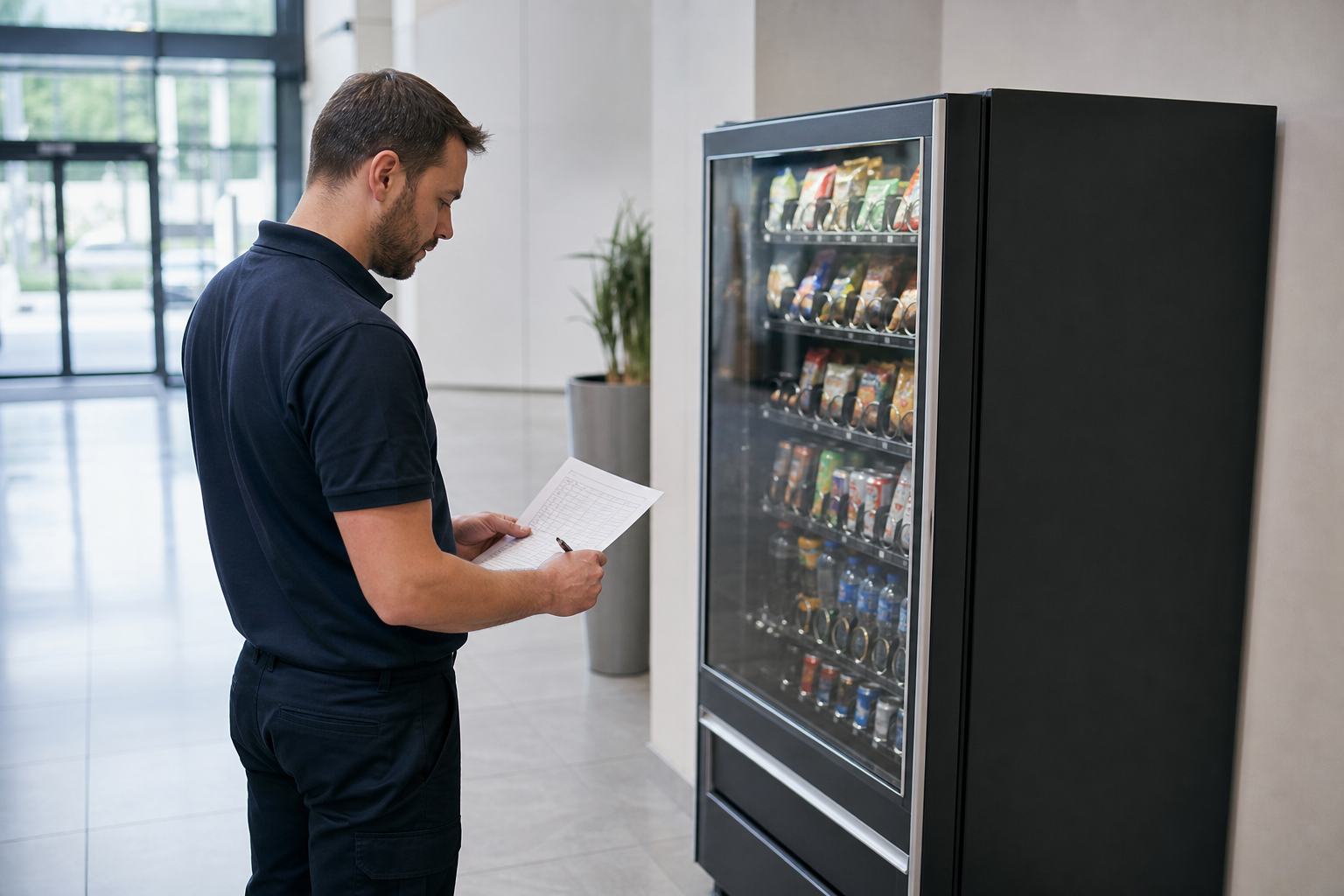
We can review the physical customer journey, the payment path and the operator’s exception process before a system is selected. We do not lead with a one-size-fits-all rate or device claim. We look at the location, what is being sold, the hardware and the support process, then structure the package around the business. For wider self-service options, see self-service kiosks; for a connected web or ordering journey, see our app and web development service.
Location, layout and lighting all affect payment success
Unattended payments UK projects often focus on the terminal and forget the surrounding location. A payment point can be technically sound but hard to find, poorly lit, blocked by a queue or positioned before the customer understands what they are buying. Visit the site at the busiest and quietest times. Watch the route from entry to selection to payment to collection. A small change in positioning can reduce uncertainty more than adding another instruction.
Make the customer’s next step obvious. If a product needs a collection door, show where it is. If an item can run out, make that visible before payment where possible. If the machine is for staff in a workplace, explain who owns support. The HSE workplace guidance is a useful general reminder to assess the real environment around a self-service point, not just the hardware.
Agree the commercial rules with the host location
For unattended payments UK at a shared location, document which party owns stock, customer support, electricity, connectivity and physical access. Agree what happens when the location closes, the machine needs attention or a customer requests a refund. The agreement does not need to be complicated, but it should not depend on a verbal memory between site visits.
First Essential UK can map the customer and operator journey with industry-specific context and a practical scoping conversation. We will look at the combination of products and support the business needs, rather than advertise a universal rate, device price or term.
Review the first month, then keep the checks simple
During the first month, review unattended payments UK activity more closely: machine faults, customer messages, repeat failed attempts, restock accuracy and the time taken to resolve an exception. Look for one change that makes the next customer journey clearer. Then move to a shorter recurring check once the process is stable.
For questions about processing personal data in customer support, use the ICO UK GDPR guidance. For payment security responsibilities, retain the relevant PCI merchant guidance alongside the internal operating checklist.
Plan for the customer who needs help after the purchase
Unattended payments UK systems need a support route that is visible even when the location is quiet. Make sure the customer can identify the machine and tell the operator what happened without needing a long technical description. Keep the contact method current, test it regularly and record the outcome of repeat support requests. The Financial Ombudsman consumer information is useful wider reading on resolving financial-service complaints, although the business should address its own product or machine issue directly first.
For the wider customer experience, the First Essential UK home page and our approach explain how we connect payment, process and support decisions around the actual business. The machine may be unattended, but the customer experience must still feel owned.
Make refunds and complaints part of the design
Before launch, decide what happens when a customer pays but does not receive the item, receives the wrong item or believes there is an error. The route should be available at the machine and owned by a real person. Keep the record needed to investigate the issue, respond plainly and correct the root cause if it repeats. A fast, fair response protects the location as well as the individual sale.
Unattended payments UK operations also benefit from a simple site record: visit date, stock position, physical condition, customer issues and action taken. This is especially useful where several locations are served by different people. It creates a factual handover rather than relying on recollection.
Use the first month to observe customer behaviour at different times of day, then adjust the layout, support wording or stock routine one change at a time. Record why the change was made and whether it reduced repeat exceptions.
Before opening a new unattended location, run one complete supported purchase with someone who has not seen the design. That small trial can reveal unclear pricing, collection, accessibility or help information before it becomes a repeated customer complaint.
Key takeaways
- Design an unattended payment point around the exceptions as well as the successful tap.
- Keep customer help, machine reference and ownership visible.
- Link payment records to stock and physical checks.
- Test with people who did not help build the setup before opening it to customers.
Unattended payments UK: common questions
What are unattended payments UK businesses using?
They are payment journeys where the customer completes a purchase without a staff member beside them, such as vending, self-service coffee, lockers and unattended retail.
What is the biggest operational risk?
Usually not the successful payment itself. It is the unclear exception: a customer cannot get an item, cannot tell what happened or cannot find a route to help.
Do unattended payments remove the need for staff?
No. They change the work into stock checks, maintenance, support, records and exception ownership.
Should I display payment rates?
No. Rates and the overall package should be structured around the individual business and what it takes, not presented as a universal offer.
How can First Essential UK help?
We can scope the customer journey, payment needs and practical support process. Contact First Essential UK for a discussion.
Give the customer a route, and give the machine an owner
The best unattended payments UK setup feels simple to a customer because the difficult parts have been thought through before launch. Make the transaction clear, supportable and measurable. Then give one person responsibility for the routine behind it. Talk to First Essential UK when you are ready to map that process.